Geotechnical Instrumentation System for Dam Safety in India
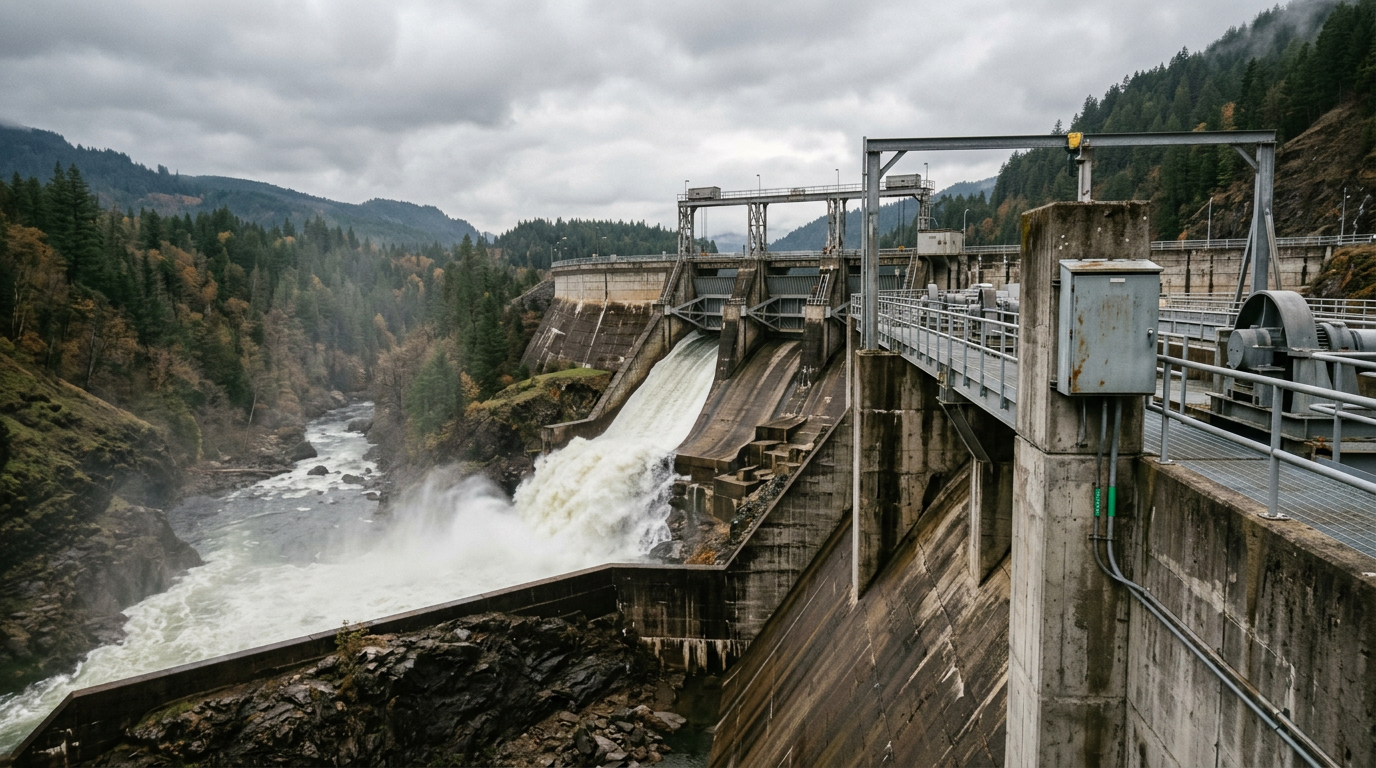
The Dam Safety Act of 2021 mandates comprehensive monitoring and evaluation of dam performance, necessitating advanced instrumentation. A robust geotechnical instrumentation system for dam safety in India is crucial for ensuring the structural integrity and operational safety of these critical infrastructures. This guide outlines the key components and deployment strategies for effective dam monitoring, focusing on best practices for sensor selection, installation, and data interpretation.
Key Takeaways
- A comprehensive geotechnical instrumentation system enhances dam safety by providing real-time data on critical parameters.
- Proper sensor selection and installation are essential for accurate and reliable data acquisition.
- Regular data analysis and interpretation are crucial for identifying potential issues and implementing timely corrective actions.
- Compliance with the Dam Safety Act 2021 is mandatory for all dam projects in India.
- Effective communication and collaboration among stakeholders are vital for successful dam safety management.
Understanding Geotechnical Instrumentation Systems
A geotechnical instrumentation system for dam safety is a network of sensors and data acquisition systems designed to monitor the physical behavior of a dam and its foundation. These systems provide real-time data on parameters such as pore water pressure, deformation, stress, and temperature, enabling engineers to assess the dam's structural health and identify potential risks.
Selecting Dam Geotechnical Sensors
Choosing the right sensors is paramount for a reliable geotechnical instrumentation system for dam safety in India. Consider these factors:
- Piezometers: Measure pore water pressure within the dam and foundation. Vibrating wire piezometers are commonly used due to their accuracy and long-term stability. Learn more about the vibrating wire piezometer working principle.
- Strain Gauges: Monitor strain within the dam structure. Embedment strain gauges are installed during construction, while surface-mounted gauges can be applied to existing structures.
- Accelerometers: Detect ground motion and vibrations, particularly important in seismically active regions.
- Displacement Transducers: Measure deformation and settlement of the dam and its foundation.
- Temperature Sensors: Monitor temperature variations within the dam, which can affect material properties and structural behavior.
Geolook offers a wide range of sensors suitable for dam safety monitoring.
Piezometer Installation for Pore Water Pressure Monitoring
Piezometer installation is a critical step in establishing a geotechnical instrumentation system for dam safety in India. Proper installation ensures accurate pore water pressure measurements, which are essential for assessing dam stability. The following steps outline the typical installation process:
- Drilling: Drill a borehole to the desired depth using appropriate drilling techniques.
- Piezometer Placement: Carefully lower the piezometer into the borehole, ensuring it is properly aligned and positioned.
- Backfilling: Backfill the borehole with a suitable material, such as sand or bentonite, to create a seal around the piezometer and prevent surface water infiltration.
- Grouting: Grout the borehole to provide additional support and prevent movement of the piezometer.
- Connection: Connect the piezometer to a data acquisition system for continuous monitoring.
Refer to IS 7894 for guidelines on installing subsurface instrumentation.
Data Acquisition and Management
A reliable data acquisition system is essential for collecting and managing data from the dam geotechnical sensors. The system should be capable of:
- Continuously monitoring sensor readings.
- Storing data in a secure and accessible format.
- Transmitting data to a central monitoring station.
- Generating alerts when critical thresholds are exceeded.
Data management software should provide tools for data visualization, analysis, and reporting. Geolook provides comprehensive dam safety monitoring solutions, including data acquisition systems and software.
Data Analysis and Interpretation
Raw data from the geotechnical instrumentation system for dam safety in India is not directly usable. It requires careful analysis and interpretation to extract meaningful insights. Engineers should:
- Establish baseline readings for each sensor.
- Monitor trends and identify deviations from the baseline.
- Correlate sensor readings with other data, such as rainfall and reservoir levels.
- Use numerical models to simulate dam behavior and validate sensor readings.
- Regularly review data and update the dam safety management plan.
Comparison of Geotechnical Instrumentation Methods
Different methods exist for geotechnical instrumentation. Selecting the right approach depends on project requirements and budget.
| Parameter | Traditional Methods | Modern Methods | Advantages of Modern Methods | Limitations of Traditional Methods |
|---|---|---|---|---|
| Pore Water Pressure | Standpipe Piezometers | Vibrating Wire Piezometers | Higher accuracy, automated data logging, remote monitoring | Slow response time, manual readings, susceptible to clogging |
| Deformation | Surveying, Extensometers | Total Stations, GPS, InSAR | Higher precision, continuous monitoring, wider coverage | Labor-intensive, limited spatial resolution, weather-dependent |
| Strain | Mechanical Strain Gauges | Electrical Resistance Strain Gauges | Higher sensitivity, remote data acquisition, temperature compensation | Limited lifespan, manual readings, difficult to install |
| Temperature | Thermometers | Thermocouples, Thermistors | Faster response, automated data logging, wider temperature range | Manual readings, limited accuracy, point measurements |
| Seismic Activity | Seismographs | Accelerometers | Wider frequency range, digital data acquisition, real-time analysis | Analog recordings, limited data processing capabilities, maintenance intensive |
Regulatory Compliance
The Dam Safety Act 2021 mandates comprehensive dam safety measures, including regular inspections, risk assessments, and emergency action plans. A robust geotechnical instrumentation system for dam safety in India is essential for complying with these regulations. Dam owners are responsible for ensuring that their dams are safe and that potential risks are identified and mitigated. The National Dam Safety Authority (NDSA) oversees the implementation of the Act and provides guidance on dam safety practices. Proper installation is key to regulatory compliance.
Schedule consultation
Ensure the longevity and safety of your dam with a comprehensive geotechnical instrumentation system. Contact us today to discuss your project requirements and explore our tailored solutions.
Frequently Asked Questions
Q: What is a geotechnical instrumentation system for dam safety?
A: A geotechnical instrumentation system for dam safety is a network of sensors and data acquisition systems used to monitor the physical behavior of a dam and its foundation. It provides real-time data on parameters like pore water pressure, deformation, and stress to assess structural health and identify potential risks.
Q: Why is geotechnical instrumentation important for dam safety in India?
A: Geotechnical instrumentation is crucial for dam safety in India because it allows for continuous monitoring of dam performance, early detection of potential problems, and timely implementation of corrective actions. This helps to prevent dam failures and protect downstream communities and infrastructure. Continuous continuous dam deformation monitoring during monsoon is especially critical.
Q: What are the key components of a geotechnical instrumentation system for dam safety?
A: The key components of a geotechnical instrumentation system for dam safety include piezometers (to measure pore water pressure), strain gauges (to measure strain), displacement transducers (to measure deformation), accelerometers (to measure ground motion), temperature sensors, data acquisition systems, and data management software.
Q: How often should geotechnical instrumentation data be analyzed?
A: Geotechnical instrumentation data should be analyzed regularly, ideally on a daily or weekly basis, to identify trends and deviations from baseline readings. More frequent analysis may be necessary during periods of heavy rainfall, rapid reservoir level changes, or seismic activity. Effective dam safety monitoring relies on timely data analysis.
Q: What are some common challenges in implementing geotechnical instrumentation systems for dam safety?
A: Common challenges include sensor selection and installation, data quality control, data management and analysis, and communication and collaboration among stakeholders. Proper planning, training, and quality assurance procedures are essential for overcoming these challenges.
Project inquiry
Talk to a Geolook™ specialist
Share your monitoring requirement and our team will help identify the right next step.
By submitting, you agree that Geolook™ may contact you about this inquiry. Your details are not added to a marketing list.