Dam Safety Monitoring: Guide to Instruments, Compliance & Systems
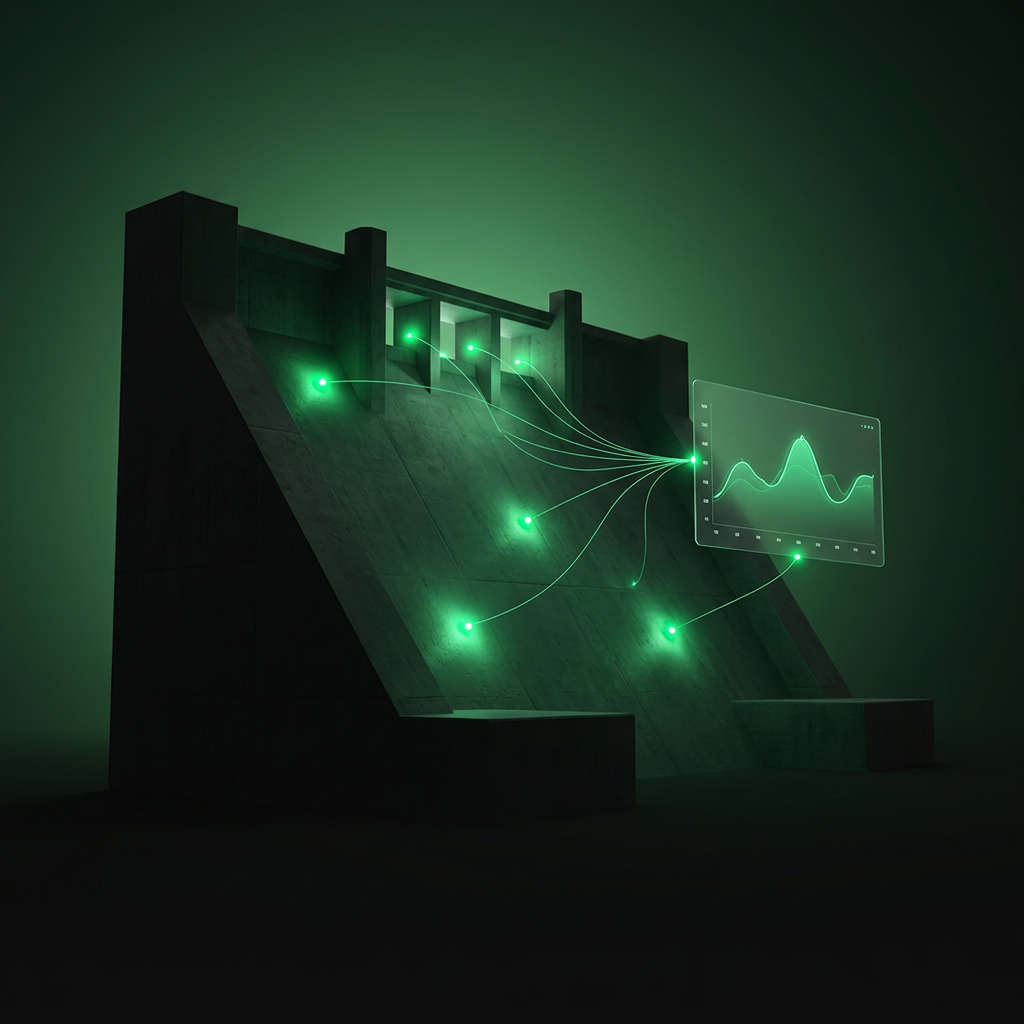
The catastrophic failure of the Machchhu-2 dam in Gujarat in 1979, which resulted in thousands of fatalities, underscores the critical importance of robust dam safety monitoring. Effective dam safety monitoring is not merely a regulatory requirement but a fundamental necessity for protecting lives, property, and the environment. This guide provides a comprehensive overview of the instruments, systems, and compliance requirements for dam safety monitoring in India, with specific reference to the Dam Safety Act 2021 and Central Water Commission (CWC) guidelines.
Key Takeaways
- Effective dam safety monitoring is crucial for preventing catastrophic failures and protecting lives and property.
- The Dam Safety Act 2021 mandates specific safety measures and monitoring protocols for all dams in India.
- A comprehensive dam monitoring system includes a variety of instruments to measure parameters like water level, pore pressure, deformation, and seismic activity.
- Real-time data acquisition and analysis are essential for timely detection of anomalies and proactive intervention.
- Regular inspections and audits are necessary to ensure the effectiveness of the dam safety monitoring system and compliance with regulatory requirements.
Understanding Dam Safety Monitoring
Dam safety monitoring is the continuous or periodic observation and assessment of a dam's condition and performance to detect any signs of distress or potential failure. A robust dam monitoring system is crucial for ensuring the structural integrity of the dam and the safety of downstream populations. This involves the systematic collection and analysis of data from various instruments and visual inspections, as well as adherence to regulatory guidelines such as the Dam Safety Act 2021.
The Dam Safety Act 2021: A Regulatory Overview
The Dam Safety Act 2021 provides a legal framework for the surveillance, inspection, operation, and maintenance of specified dams across India to prevent dam failure-related disasters. Key provisions include the establishment of a National Committee on Dam Safety (NCDS) and a National Dam Safety Authority (NDSA) to develop dam safety standards and resolve inter-state issues. Compliance with the Dam Safety Act 2021 is mandatory for all dam owners and operators, ensuring a uniform and rigorous approach to CWC dam safety across the country.
Essential Instruments for Dam Monitoring
A comprehensive dam monitoring system typically includes a range of instruments to measure various parameters critical to dam safety. These instruments provide valuable data for assessing the dam's structural behavior and identifying potential problems early on. Here are some essential instruments:
- Piezometers: Used to measure pore water pressure within the dam body and foundation. Monitoring pore pressure is crucial for assessing the stability of the dam, and you can learn more about the vibrating wire piezometer working principle.
- Water Level Sensors: Monitor the reservoir water level, which is a critical parameter for assessing the dam's storage capacity and potential for overtopping.
- Settlement Markers: Measure vertical deformation or settlement of the dam crest and downstream face.
- Inclinometers: Detect lateral movement or deformation within the dam body and foundation.
- Strain Gauges: Measure strain within the dam structure, providing insights into stress distribution and potential cracking.
- Accelerometers: Monitor seismic activity and its impact on the dam structure, as per IS 1893.
- Flow Meters: Measure seepage through the dam body and foundation, which can indicate potential problems such as internal erosion.
Real-Time Dam Monitoring Systems
Real-time dam safety monitoring systems provide continuous data acquisition and analysis, enabling timely detection of anomalies and proactive intervention. These systems typically consist of sensors, data acquisition systems (DAQ), communication networks, and data management software. The data is transmitted wirelessly to a central monitoring station, where it is processed and analyzed to generate alerts and reports. Real-time monitoring allows dam operators to respond quickly to changing conditions and prevent potential failures. Geolook offers comprehensive dam safety monitoring solutions tailored to specific project needs.
Compliance Checklist for Dam Safety Monitoring
Ensuring compliance with the Dam Safety Act 2021 and CWC guidelines is essential for all dam owners and operators. Here's a checklist to help you stay compliant:
- Establish a Dam Safety Unit (DSU) with qualified personnel.
- Develop and implement a comprehensive dam safety monitoring plan.
- Install and maintain appropriate instrumentation to monitor key parameters.
- Conduct regular visual inspections and instrument readings.
- Analyze monitoring data to identify potential problems.
- Develop and implement emergency action plans (EAPs).
- Conduct regular dam safety reviews and audits.
- Submit regular reports to the relevant authorities, as per the Dam Safety Act 2021.
Comparison of Dam Monitoring Methods
Different methods exist for monitoring dam safety, each with its own advantages and disadvantages. Selecting the appropriate method depends on factors such as dam type, size, age, and risk profile.
| Method | Instrumentation | Frequency | Data Analysis | Cost |
|---|---|---|---|---|
| Visual Inspection | None | Daily to Weekly | Qualitative | Low |
| Manual Monitoring | Piezometers, settlement markers | Weekly to Monthly | Manual calculations | Medium |
| Automated Monitoring | Sensors, DAQ, wireless communication | Real-time | Automated analysis and alerts | High |
| Geodetic Surveys | Total stations, GPS | Monthly to Yearly | Post-processing | Medium to High |
| Remote Sensing | Satellite imagery, LiDAR | Yearly | Image processing | Medium |
The Role of Data Analysis in Dam Safety
Effective dam safety monitoring relies heavily on the accurate analysis of data collected from various instruments. This involves identifying trends, detecting anomalies, and assessing the overall condition of the dam. Data analysis should be performed by qualified engineers with expertise in dam safety and structural behavior. The analysis should consider factors such as reservoir water level, temperature variations, and seismic activity. Regular analysis of data helps in early detection of potential problems and allows for timely intervention. It is important to consider continuous dam deformation monitoring during monsoon.
Frequently Asked Questions
Q: What is a dam safety monitoring system?
A: A dam safety monitoring system is a network of instruments, data acquisition systems, and software used to continuously or periodically observe and assess a dam's condition and performance. The goal is to detect any signs of distress or potential failure, ensuring the structural integrity of the dam and the safety of downstream populations.
Q: Why is dam safety monitoring important?
A: Dam safety monitoring is crucial for preventing catastrophic dam failures that can lead to loss of life, property damage, and environmental disasters. By continuously monitoring the dam's condition, potential problems can be identified early on, allowing for timely intervention and preventing failures.
Q: What are the key parameters monitored in dam safety monitoring?
A: Key parameters monitored include water level, pore water pressure, deformation (settlement and lateral movement), strain, seepage, and seismic activity. These parameters provide valuable insights into the dam's structural behavior and stability, helping to identify potential problems early on.
Q: How does the Dam Safety Act 2021 impact dam safety monitoring in India?
A: The Dam Safety Act 2021 provides a legal framework for dam safety in India, mandating specific safety measures and monitoring protocols for all specified dams. It establishes the National Committee on Dam Safety (NCDS) and the National Dam Safety Authority (NDSA) to enforce these standards.
Q: What are the benefits of real-time dam safety monitoring systems?
A: Real-time dam safety monitoring systems provide continuous data acquisition and analysis, enabling timely detection of anomalies and proactive intervention. These systems allow dam operators to respond quickly to changing conditions and prevent potential failures, improving overall dam safety and reducing risks.
Download compliance guide
Ensure the safety and longevity of your dam infrastructure. Download our comprehensive dam safety monitoring compliance guide for detailed insights into regulatory requirements, best practices, and advanced monitoring techniques. Contact us today to learn more about how Geolook can help you implement a robust dam safety monitoring system.
Project inquiry
Talk to a Geolook™ specialist
Share your monitoring requirement and our team will help identify the right next step.
By submitting, you agree that Geolook™ may contact you about this inquiry. Your details are not added to a marketing list.