Real Time Pore Water Pressure Monitoring in Dams: A How-To Guide
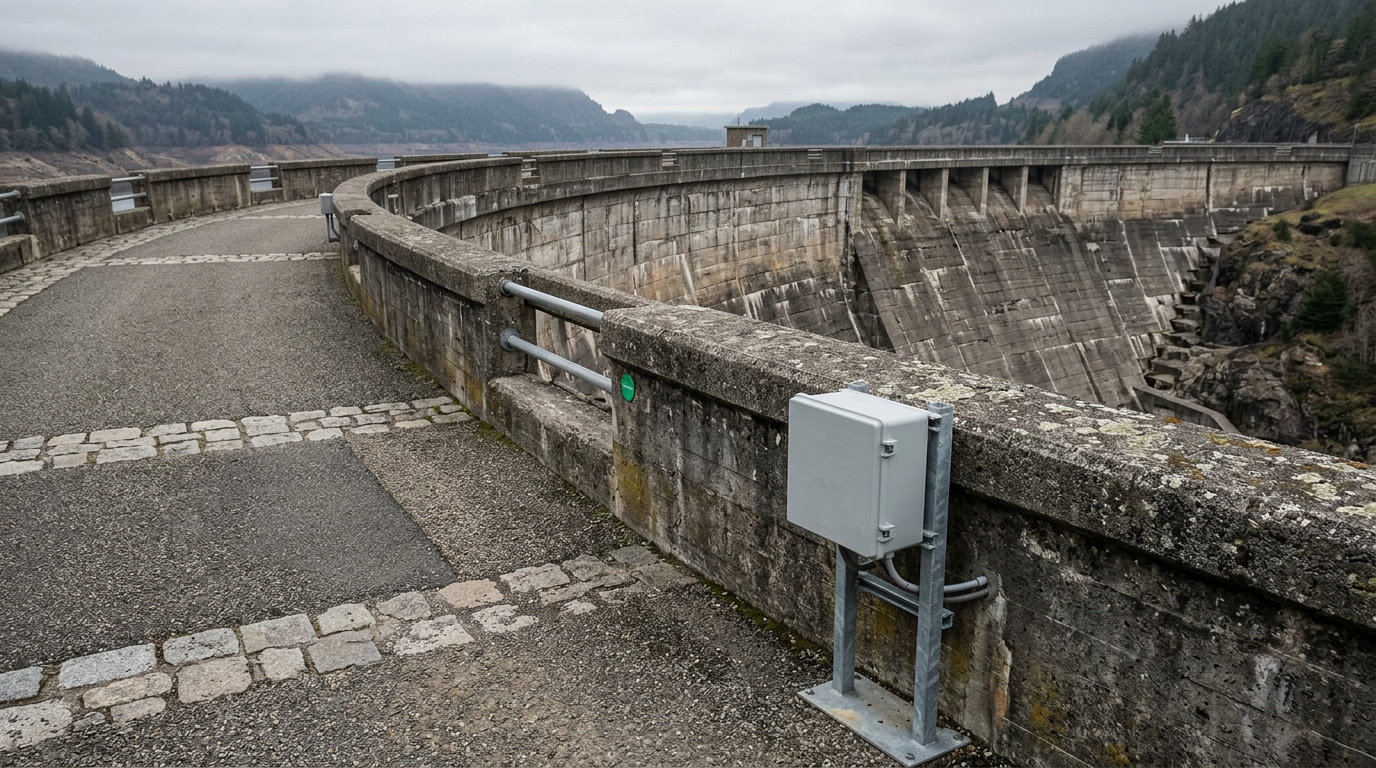
The failure of the Machchhu-2 dam in Gujarat in 1979 resulted in a catastrophic flood, claiming thousands of lives. This tragedy underscores the critical importance of robust dam safety measures, including real time pore water pressure monitoring in dams. Pore water pressure, also known as pore pressure, within a dam's structure can significantly impact its stability. Implementing effective monitoring systems is crucial for early detection of potential issues and preventing failures.
Key Takeaways
- Real time pore water pressure monitoring in dams is essential for ensuring structural stability and preventing catastrophic failures.
- Piezometers are the primary instruments used to measure pore pressure within a dam's foundation and embankment.
- Understanding and managing uplift pressure is critical for dam safety.
- Regular data analysis and threshold-based alerts enable timely intervention and prevent potential dam failures.
- Integrating pore pressure data with other monitoring parameters provides a comprehensive assessment of dam health.
Understanding Pore Water Pressure in Dams
Pore water pressure is the pressure exerted by groundwater within the voids of soil and rock. In the context of dams, pore pressure significantly influences the effective stress and shear strength of the dam's materials. High pore pressure can reduce the effective stress, decreasing the shear strength and increasing the risk of instability. Effective piezometer dam monitoring is crucial for assessing these risks.
The Role of Piezometers in Dam Monitoring
A piezometer is an instrument used to measure pore water pressure at specific points within a dam or its foundation. These devices are strategically installed to provide continuous or periodic readings of pore pressure, enabling engineers to assess the internal condition of the dam. There are various types of piezometers, including vibrating wire piezometers, which are commonly used for their accuracy and reliability. The vibrating wire piezometer working principle makes them ideal for long-term monitoring applications.
How to Implement Real Time Pore Water Pressure Monitoring
Implementing a real time pore water pressure monitoring system involves several key steps:
- Site Investigation: Conduct a thorough geotechnical investigation to understand the subsurface conditions and identify critical locations for piezometer installation, adhering to IS 1892 standards.
- Piezometer Selection: Choose appropriate piezometers based on the site conditions, required accuracy, and data logging capabilities.
- Installation: Install piezometers at strategic locations within the dam and its foundation, ensuring proper sealing and protection.
- Data Acquisition: Use data acquisition systems (DAQ) to collect pore pressure readings from the piezometers automatically.
- Data Transmission: Transmit data wirelessly or via cable to a central monitoring station for real-time analysis.
- Data Analysis: Analyze the data to identify trends, anomalies, and potential issues.
- Alert System: Set up an alert system to notify engineers when pore pressure exceeds predefined thresholds.
Understanding Uplift Pressure
Uplift pressure is a critical consideration in dam safety. Uplift is the upward pressure exerted by water seeping beneath the dam foundation. High uplift pressure reduces the effective weight of the dam, decreasing its resistance to sliding and overturning. Effective dam safety monitoring includes managing uplift pressure through drainage systems and cut-off walls.
Thresholds and Alarms for Pore Pressure Monitoring
Establishing appropriate thresholds and alarms is crucial for effective real time pore water pressure monitoring in dams. These thresholds should be based on historical data, design parameters, and regulatory guidelines. When pore pressure exceeds these thresholds, alarms should be triggered to alert dam safety engineers. CWC guidelines provide recommendations for setting these thresholds.
Pore Pressure Thresholds
The following table outlines example thresholds for pore pressure monitoring. These values should be adjusted based on site-specific conditions and design parameters.
| Piezometer Location | Normal Operating Range (kPa) | Alert Level 1 (kPa) | Alert Level 2 (kPa) | Alarm Level (kPa) |
|---|---|---|---|---|
| Upstream Toe | 0-50 | 50-75 | 75-100 | >100 |
| Mid-Dam | 20-80 | 80-120 | 120-160 | >160 |
| Downstream Toe | 10-40 | 40-60 | 60-80 | >80 |
| Foundation (Upstream) | 30-90 | 90-130 | 130-170 | >170 |
| Foundation (Downstream) | 15-50 | 50-75 | 75-100 | >100 |
Integrating Pore Pressure Data with Other Monitoring Parameters
Pore pressure data should be integrated with other monitoring parameters, such as settlement, deformation, and seepage, to provide a comprehensive assessment of dam health. This integrated approach allows engineers to identify potential issues early and take appropriate action. Continuous continuous dam deformation monitoring during monsoon, combined with pore pressure data, offers a holistic view of dam behavior.
Frequently Asked Questions
Q: What is pore water pressure?
A: Pore water pressure, also known as pore pressure, is the pressure exerted by groundwater within the voids of soil and rock. It is a critical parameter in geotechnical engineering, influencing the effective stress and shear strength of soil and rock masses, particularly in the context of dam stability.
Q: Why is real time pore water pressure monitoring important for dams?
A: Real time pore water pressure monitoring in dams is crucial for assessing the stability and safety of the structure. Elevated pore pressure can reduce the effective stress, leading to decreased shear strength and an increased risk of dam failure. Continuous monitoring allows for early detection of potential problems.
Q: What instruments are used for piezometer dam monitoring?
A: Piezometers are the primary instruments used for piezometer dam monitoring. These devices are installed within the dam structure and its foundation to measure pore water pressure at specific locations. Vibrating wire piezometers are commonly used due to their accuracy, reliability, and suitability for long-term monitoring.
Q: How often should pore pressure readings be taken?
A: The frequency of pore pressure readings depends on the dam's condition and potential risks. In critical situations or during periods of heavy rainfall, continuous real-time monitoring is recommended. Otherwise, readings can be taken daily or weekly, with more frequent monitoring during critical periods.
Q: What actions should be taken if pore pressure exceeds the established thresholds?
A: If pore pressure exceeds established thresholds, immediate action is necessary. This may include increasing drainage, reducing reservoir levels, conducting detailed inspections, and implementing additional monitoring measures. Dam safety engineers should be notified immediately to assess the situation and determine the appropriate course of action.
View piezometer specs
Ensure the long-term safety and stability of your dam with reliable pore pressure monitoring solutions. Contact us to learn more about our piezometers and comprehensive dam monitoring systems.
Project inquiry
Talk to a Geolook™ specialist
Share your monitoring requirement and our team will help identify the right next step.
By submitting, you agree that Geolook™ may contact you about this inquiry. Your details are not added to a marketing list.