Geotechnical Instrumentation System for Dam Safety in India
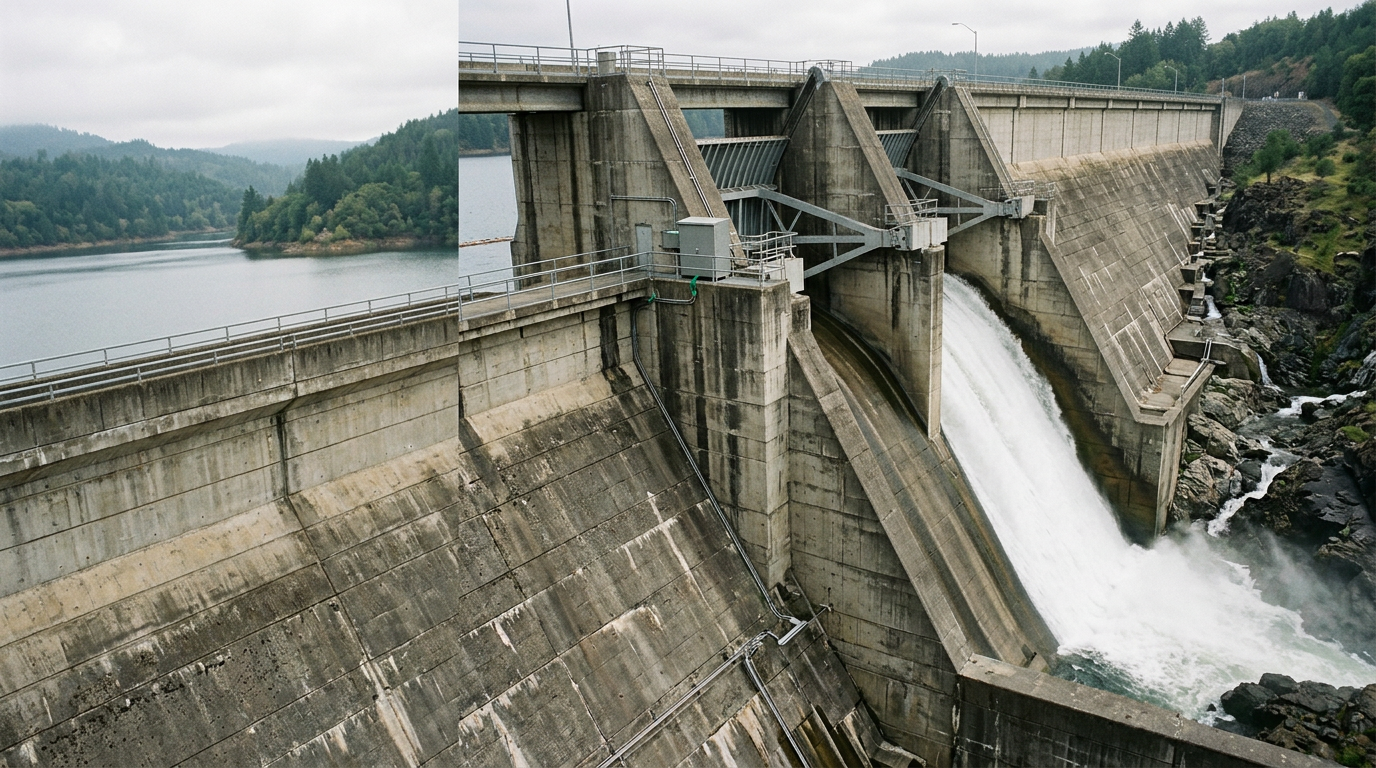
The 2021 Dam Safety Act underscores the critical need for comprehensive monitoring and risk assessment of India's aging dam infrastructure. A robust geotechnical instrumentation system for dam safety in India is essential for early detection of potential failures, enabling timely intervention and preventing catastrophic events. This guide provides a detailed overview of designing and deploying such a system, focusing on sensor selection, installation techniques, and data interpretation.
Key Takeaways
- A well-designed geotechnical instrumentation system is crucial for ensuring dam safety and preventing failures.
- Proper sensor selection and installation are critical for obtaining accurate and reliable data.
- Regular monitoring and data analysis are essential for identifying potential problems early on.
- The Dam Safety Act 2021 mandates comprehensive dam safety measures, including instrumentation.
- Implementing a robust system enhances the lifespan and operational safety of dams.
Understanding Geotechnical Instrumentation for Dam Safety
A geotechnical instrumentation system for dam safety is a network of sensors and data acquisition systems designed to monitor the structural health and stability of a dam and its surrounding environment. These systems provide real-time data on various parameters, enabling engineers to assess the dam's condition and identify potential risks before they escalate into major problems. You can explore various geotechnical sensors for dam safety applications.
Key Components of a Dam Geotechnical Sensors System
A comprehensive geotechnical instrumentation system typically includes the following components:
- Piezometers: Measure pore water pressure within the dam and its foundation. Vibrating wire piezometers are commonly used due to their accuracy and long-term stability.
- Inclinometers: Detect subsurface ground movement and deformation.
- Settlement Gauges: Monitor vertical displacement or settlement of the dam structure and surrounding areas.
- Strain Gauges: Measure strain within the dam structure, providing insights into stress distribution.
- Accelerometers: Detect ground motion and vibrations, particularly important in seismically active regions.
- Water Level Sensors: Monitor water levels in the reservoir and downstream areas.
- Data Acquisition System (DAQ): Collects, stores, and transmits data from the sensors.
Designing a Geotechnical Instrumentation System
Designing an effective geotechnical instrumentation system for dam safety india requires careful consideration of several factors:
- Dam Type and Size: The type and size of the dam will influence the number and type of sensors required.
- Geological Conditions: The geological conditions at the dam site will affect the selection and placement of sensors.
- Potential Failure Modes: Identifying potential failure modes is crucial for determining which parameters to monitor.
- Regulatory Requirements: Compliance with the Dam Safety Act 2021 and other relevant regulations is essential.
- Budget Constraints: Balancing the need for comprehensive monitoring with budgetary limitations is important.
Indian Standard IS 7894 provides guidelines for the design of instrumentation schemes for river valley projects.
Piezometer Installation Techniques
Proper piezometer installation is critical for obtaining accurate pore water pressure readings. Common installation methods include:
- Borehole Installation: Piezometers are installed in boreholes drilled into the dam or its foundation.
- Direct Push Installation: Piezometers are pushed directly into the ground using specialized equipment.
- Filter Tip Installation: Piezometers with filter tips are installed in sandy or silty soils to prevent clogging.
After installation, it's crucial to develop a robust dam safety monitoring plan.
Step-by-Step Deployment of a Geotechnical Instrumentation System
Deploying a geotechnical instrumentation system for dam safety india involves a systematic approach:
- Site Investigation: Conduct a thorough site investigation to understand the geological and hydrological conditions.
- Sensor Selection: Choose appropriate sensors based on the dam type, geological conditions, and potential failure modes.
- Installation Planning: Develop a detailed installation plan, including sensor locations, depths, and installation methods.
- Sensor Installation: Install the sensors according to the installation plan, ensuring proper sealing and protection.
- Data Acquisition System Setup: Configure the data acquisition system to collect, store, and transmit data from the sensors.
- Calibration and Testing: Calibrate and test the sensors and data acquisition system to ensure accuracy and reliability.
- Data Monitoring and Analysis: Regularly monitor and analyze the data to identify potential problems early on.
Data Interpretation and Analysis
The data collected from the geotechnical instrumentation system must be carefully interpreted and analyzed to assess the dam's condition. This involves:
- Establishing Baseline Data: Establishing a baseline of data when the dam is in a stable condition.
- Identifying Trends: Looking for trends in the data that may indicate potential problems.
- Comparing Data to Thresholds: Comparing the data to pre-defined thresholds to identify when action is required.
- Using Numerical Models: Using numerical models to simulate the dam's behavior and predict future performance.
Continuous continuous dam deformation monitoring during monsoon is especially critical due to increased water pressure and potential for soil erosion.
Comparison of Geotechnical Sensors for Dam Safety
| Sensor Type | Parameter Measured | Advantages | Disadvantages | Typical Applications |
|---|---|---|---|---|
| Vibrating Wire Piezometer | Pore Water Pressure | High accuracy, long-term stability, resistant to noise | Relatively expensive, requires specialized readout equipment | Monitoring pore water pressure in dams, embankments, and foundations |
| Inclinometer | Subsurface Ground Movement | Accurate measurement of lateral displacement, can be used in boreholes | Requires skilled operators, can be affected by borehole instability | Monitoring slope stability, landslide movement, and deformation of retaining walls |
| Settlement Gauge | Vertical Displacement | Simple to install and use, provides direct measurement of settlement | Limited accuracy, can be affected by soil conditions | Monitoring settlement of dams, embankments, and foundations |
| Strain Gauge | Strain | Provides direct measurement of strain, can be used in various materials | Sensitive to temperature changes, requires careful installation | Monitoring stress distribution in dams, bridges, and other structures |
| Accelerometer | Ground Motion | Detects ground motion and vibrations, important in seismically active areas | Requires careful calibration, can be affected by noise | Monitoring seismic activity, vibrations from construction or traffic |
Ensuring Long-Term Reliability
To ensure the long-term reliability of the geotechnical instrumentation system for dam safety india, it is essential to:
- Regularly Calibrate Sensors: Calibrate sensors periodically to maintain accuracy.
- Protect Sensors from Damage: Protect sensors from physical damage and environmental factors.
- Maintain the Data Acquisition System: Regularly maintain the data acquisition system to ensure proper functioning.
- Train Personnel: Train personnel on the proper operation and maintenance of the system.
Understanding the vibrating wire piezometer working principle is crucial for accurate data interpretation and maintenance.
Schedule consultation
Ensure the safety and longevity of your dam infrastructure with a robust geotechnical instrumentation system. Contact us today to schedule a consultation and discuss your specific monitoring needs.
Frequently Asked Questions
Q: What is a geotechnical instrumentation system for dam safety?
A: A geotechnical instrumentation system for dam safety is a network of sensors and data acquisition systems used to monitor the structural health and stability of a dam. These systems provide real-time data on parameters like pore water pressure, deformation, and stress, enabling engineers to assess the dam's condition and identify potential risks.
Q: Why is geotechnical instrumentation important for dam safety?
A: Geotechnical instrumentation is crucial for dam safety because it provides early warning of potential failures. By monitoring key parameters, engineers can detect anomalies and take timely corrective actions, preventing catastrophic dam failures and protecting downstream communities and infrastructure.
Q: What types of sensors are used in a geotechnical instrumentation system for dams?
A: Common sensors include piezometers (to measure pore water pressure), inclinometers (to detect subsurface movement), settlement gauges (to monitor vertical displacement), strain gauges (to measure strain), and accelerometers (to detect ground motion). The specific types and number of sensors depend on the dam's design, geological conditions, and potential failure modes.
Q: How is data from a geotechnical instrumentation system analyzed?
A: Data analysis involves establishing baseline data, identifying trends, comparing data to pre-defined thresholds, and using numerical models to simulate the dam's behavior. This analysis helps engineers assess the dam's condition, identify potential problems, and make informed decisions about maintenance and repairs.
Q: What are the regulatory requirements for geotechnical instrumentation in India?
A: The Dam Safety Act 2021 mandates comprehensive dam safety measures, including instrumentation and monitoring. Indian Standard IS 7894 provides guidelines for the design of instrumentation schemes for river valley projects. Compliance with these regulations is essential for ensuring dam safety and preventing failures.
Project inquiry
Talk to a Geolook™ specialist
Share your monitoring requirement and our team will help identify the right next step.
By submitting, you agree that Geolook™ may contact you about this inquiry. Your details are not added to a marketing list.