How to Build a Digital Twin for Infrastructure Monitoring: A Step-by-Step Guide
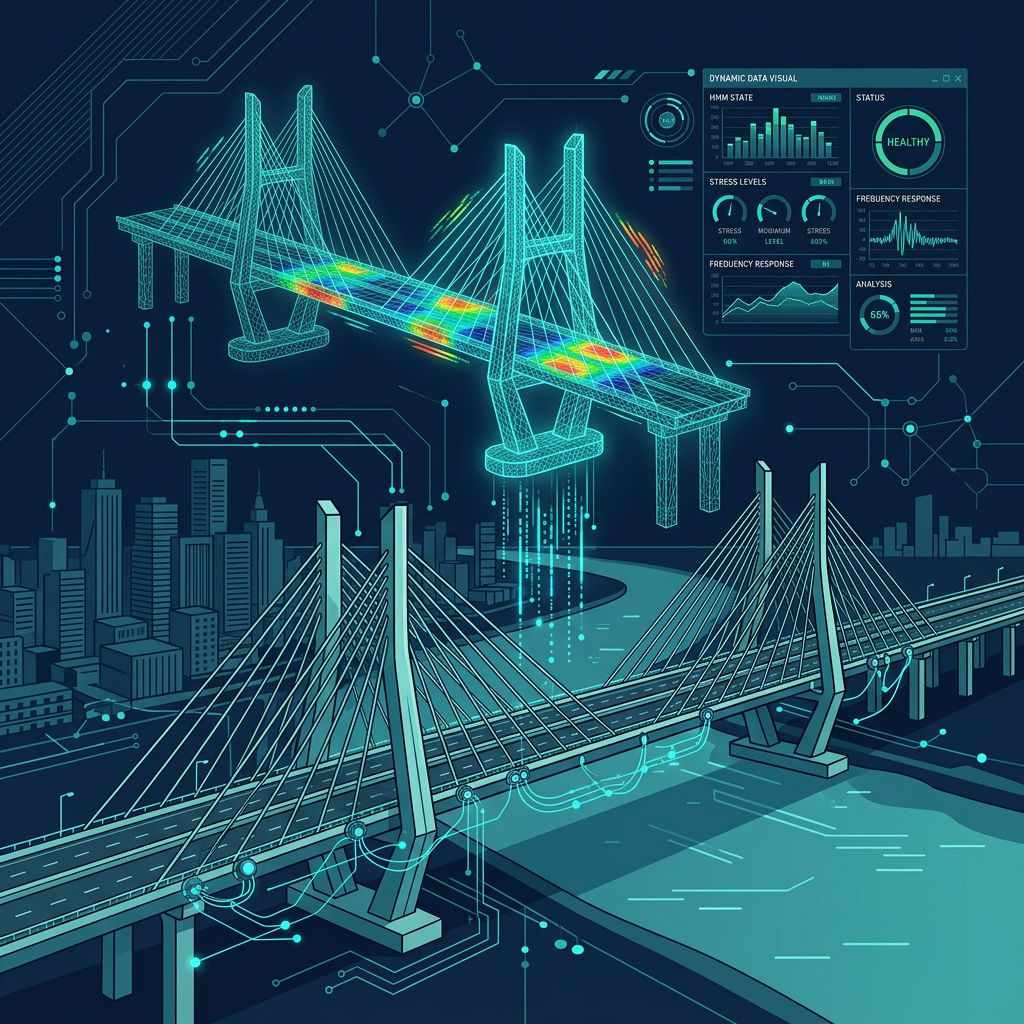
Digital twins are revolutionizing infrastructure monitoring, offering a powerful way to visualize, analyze, and predict the performance of critical assets. By creating a virtual replica of a physical structure, engineers and project managers can gain unprecedented insights into its health, enabling proactive maintenance and improved decision-making. This guide provides a practical, step-by-step approach to building a digital twin for structural health monitoring (SHM).
Who This Guide Is For
- Civil Engineers: Professionals responsible for the design, construction, and maintenance of infrastructure.
- Geotechnical Consultants: Experts specializing in soil mechanics and foundation engineering.
- Infrastructure Project Managers: Individuals overseeing the planning, execution, and completion of infrastructure projects.
- Procurement Leads: Decision-makers at organizations like NHAI, RVNL, CPWD, and smart city bodies involved in technology adoption.
Step 1: Define Objectives and Scope for Your Digital Twin
Before embarking on the journey of building a digital twin, it's crucial to clearly define your objectives and scope. What specific problems are you trying to solve? What aspects of the infrastructure will be included in the digital twin? Consider these questions:
- What type of infrastructure are you monitoring (bridge, dam, tunnel, building)?
- What are the key performance indicators (KPIs) you want to track (stress, strain, displacement, temperature)?
- What level of detail is required for the digital twin (geometric accuracy, material properties, simulation fidelity)?
- What is the desired frequency of data updates and analysis?
A well-defined scope will ensure that your digital twin project remains focused and delivers tangible results.
Step 2: Data Acquisition and Sensor Selection for Structural Health Monitoring
Data is the lifeblood of any digital twin. Selecting the right sensors and establishing a robust data acquisition system are critical for accurate and reliable monitoring. Common sensor types used in SHM include:
- Strain Gauges: Measure the deformation of a structure under load.
- Accelerometers: Detect vibrations and accelerations, providing insights into structural dynamics.
- Displacement Sensors: Monitor the movement of structural elements.
- Temperature Sensors: Track temperature variations, which can affect material properties and structural behavior.
- Environmental Sensors: Measure environmental conditions such as humidity, wind speed, and rainfall.
Consider factors such as sensor accuracy, range, durability, and cost when making your selection. Geolook offers a wide range of sensor integrations, ensuring compatibility with your existing infrastructure and monitoring needs.
Step 3: Creating the 3D Model
The foundation of a digital twin is a detailed 3D model of the physical asset. This model can be created using various techniques, including:
- Laser Scanning: Captures highly accurate point cloud data, which can be used to generate a 3D model.
- Photogrammetry: Creates 3D models from overlapping photographs.
- CAD Models: Existing design models can be imported and used as a basis for the digital twin.
The level of detail in the 3D model should be appropriate for the intended use of the digital twin. For example, a digital twin used for visual inspection may require a higher level of geometric accuracy than one used for structural analysis.
Step 4: Data Integration and Fusion for Accurate Structural Health Monitoring
Once the 3D model is created and sensor data is being collected, the next step is to integrate these data streams into a unified platform. This involves:
- Data Cleaning and Preprocessing: Removing noise and errors from the sensor data.
- Data Alignment: Aligning the sensor data with the 3D model.
- Data Fusion: Combining data from multiple sources to create a more complete picture of the structure's health.
Geolook's platform provides powerful data integration and fusion capabilities, allowing you to seamlessly combine sensor data, 3D models, and other relevant information.
Consider exploring machine learning techniques for enhanced data analysis and predictive capabilities.
Step 5: Simulation and Analysis
With a fully integrated digital twin, you can perform simulations and analyses to assess the structure's performance under various conditions. This can include:
- Finite Element Analysis (FEA): Simulating the structural response to loads and environmental factors.
- Computational Fluid Dynamics (CFD): Analyzing the flow of fluids around the structure.
- Predictive Analytics: Using machine learning algorithms to predict future performance and identify potential problems.
The results of these simulations and analyses can be used to optimize maintenance schedules, identify potential risks, and improve the design of future infrastructure projects.
Step 6: Visualization and Reporting
The final step is to visualize the data and generate reports that can be easily understood by stakeholders. This can include:
- 3D Visualization: Displaying the sensor data and simulation results on the 3D model.
- Dashboards: Providing a real-time overview of the structure's health.
- Automated Reports: Generating regular reports on key performance indicators.
Geolook's platform offers a range of visualization and reporting tools, allowing you to communicate the insights from your digital twin effectively.
Don't forget to check out our other blog posts for more insights.
Geolook vs Traditional Approach
Traditional infrastructure monitoring methods often rely on manual inspections and periodic surveys, which can be time-consuming, costly, and prone to human error. Geolook's digital twin solution offers a more efficient and data-driven approach. For example, implementing Geolook can reduce inspection costs by up to 40% and improve the accuracy of structural assessments by 25% compared to traditional methods. This translates to significant cost savings and improved safety for infrastructure projects.
Comparison Table
| Feature | Geolook | Encardio-Rite |
|---|---|---|
| Data Integration | Seamless integration with various sensor types and data formats | Limited integration capabilities |
| 3D Visualization | Advanced 3D visualization tools for real-time monitoring | Basic 3D visualization |
| Predictive Analytics | Machine learning algorithms for predictive maintenance | Limited predictive analytics capabilities |
| Reporting | Automated report generation with customizable dashboards | Manual report generation |
| Indian Project Suitability | Specifically designed for Indian infrastructure conditions and regulations | General-purpose solution |
| Cost Effectiveness | Competitive pricing with flexible subscription options | Higher upfront costs |
Download: Digital Twin Consultation Guide
Ready to explore the potential of digital twins for your infrastructure projects? Download our comprehensive Digital Twin Consultation Guide to learn more about the benefits and implementation strategies.
Frequently Asked Questions
Q: What are the benefits of using a digital twin for infrastructure monitoring?
A: Digital twins offer numerous benefits, including improved asset management, reduced maintenance costs, enhanced safety, and better decision-making.
Q: How much does it cost to build a digital twin?
A: The cost of building a digital twin varies depending on the complexity of the project, the type of infrastructure being monitored, and the level of detail required. Contact us for a customized quote.
Q: What types of sensors are compatible with Geolook's platform?
A: Geolook's platform is compatible with a wide range of sensors, including strain gauges, accelerometers, displacement sensors, temperature sensors, and environmental sensors.
Q: How can I get started with building a digital twin for my infrastructure?
A: Contact our team of experts to discuss your specific needs and develop a customized digital twin solution.
Q: Is Geolook compliant with Indian regulations and standards?
A: Yes, Geolook is designed to comply with all relevant Indian regulations and standards for infrastructure monitoring.
Conclusion
Digital twins are transforming the way we monitor and manage infrastructure, offering unprecedented insights into structural health and performance. By following the steps outlined in this guide, you can build a powerful digital twin that improves safety, reduces costs, and extends the lifespan of your critical assets. Geolook is your partner in this journey, providing the platform, expertise, and support you need to succeed.
Book a Digital Twin Consultation
Ready to take the next step? Contact Geolook today to schedule a consultation and discover how our digital twin solutions can benefit your infrastructure projects. Our team of experts will work with you to understand your specific needs and develop a customized solution that meets your requirements. Let us help you unlock the power of digital twins for your infrastructure.