SHM System Explained: Components, Architecture & Data Flow
In 2021, a portion of the Ramban-Banihal tunnel on NH-44 collapsed during construction, highlighting the critical need for robust structural health monitoring. This post provides a detailed overview of an shm system explained, covering its architecture, essential components, and the flow of data from sensors to the cloud, ensuring proactive infrastructure management.
Key Takeaways
- A structural health monitoring (SHM) system integrates sensors, data acquisition, communication networks, and software to assess the condition of infrastructure.
- Key components include sensors, data loggers, communication modules, data processing servers, and visualization dashboards.
- SHM architecture involves a multi-layered approach, from data collection to cloud-based storage and analysis.
- Real-time data processing and visualization enable timely detection of anomalies and informed decision-making.
- Effective SHM systems enhance safety, extend the lifespan of structures, and reduce maintenance costs.
Defining a Structural Health Monitoring (SHM) System
A structural health monitoring (SHM) system is an integrated framework of sensors, data acquisition, communication networks, and software designed to continuously assess the condition of a structure and detect any signs of damage or deterioration.
The goal of implementing an shm system explained is to provide real-time insights into the structural integrity of assets, enabling timely maintenance and preventing catastrophic failures. This involves continuous or periodic monitoring to identify changes in structural parameters that may indicate damage or degradation. The data collected is then analyzed to assess the current state of the structure and predict its future performance.
Key SHM Components
An effective shm system explained relies on several key components working in harmony:
- Sensors: These are the front-line data collectors, measuring parameters such as strain, displacement, acceleration, temperature, and corrosion. Sensors can be wired or wireless, and their selection depends on the specific application and environmental conditions.
- Data Acquisition System (DAQ): The DAQ is responsible for collecting, conditioning, and digitizing the sensor data. High-quality DAQs ensure accurate and reliable data transmission. Geolook uses industrial-grade DAQs for real-time settlement monitoring at projects like DLF Downtown Gurgaon with Ahluwalia Constructions.
- Communication Network: This component facilitates the transmission of data from the DAQ to a central server or cloud platform. Communication can be achieved through various means, including cellular, Wi-Fi, LoRaWAN, or satellite.
- Data Processing and Storage: Once the data reaches the central server, it undergoes processing, cleaning, and analysis. The processed data is then stored in a database for future reference and analysis.
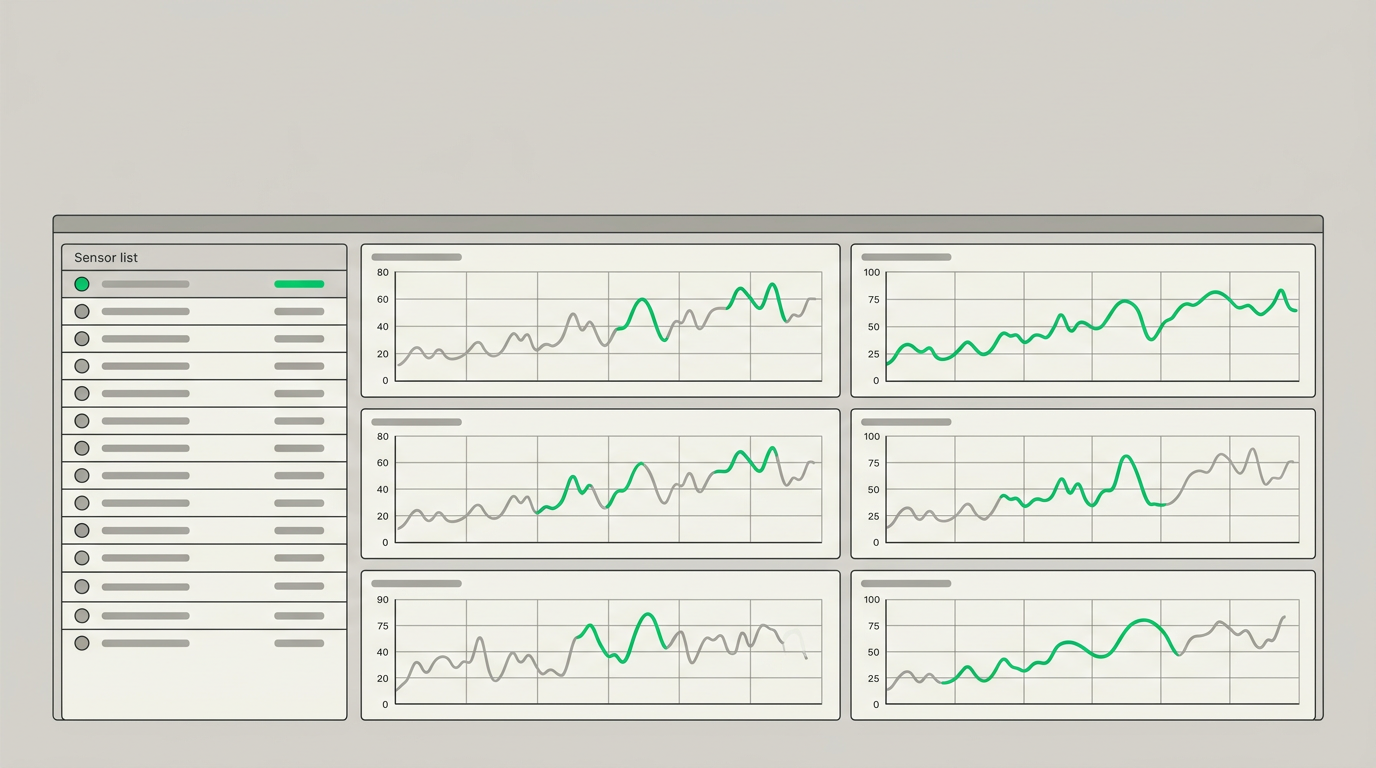
- Visualization and Alerting: The final component is the user interface, which presents the processed data in a user-friendly format. This may include dashboards, graphs, and reports. The system should also provide alerts when critical thresholds are exceeded, enabling timely intervention.
Understanding SHM Architecture
The SHM architecture can be visualized as a multi-layered system:
- Sensor Layer: This layer consists of various sensors strategically placed on the structure to measure relevant parameters.
- Data Acquisition Layer: This layer collects data from the sensors and converts it into a digital format.
- Communication Layer: This layer transmits the data to a central server or cloud platform.
- Data Processing Layer: This layer processes, cleans, and analyzes the data.
- Visualization Layer: This layer presents the processed data in a user-friendly format.
Geolook's involvement with the RITES 3D Digital Twin & VR Visualization Platform for Bridge Health Monitoring System exemplifies this architecture in practice. The platform integrates data from various sensors to create a comprehensive digital representation of bridge health.
Sensor to Cloud Data Flow
The sensor to cloud data flow is a critical aspect of any shm system explained. The process begins with sensors collecting data from the structure. This data is then transmitted to the DAQ, which converts it into a digital format. The digital data is then sent to a central server or cloud platform via a communication network. Once the data reaches the server, it undergoes processing, cleaning, and analysis. The processed data is then stored in a database for future reference and analysis. Finally, the processed data is presented to the user in a user-friendly format, such as a dashboard or report.
Data Analysis Techniques in SHM
Effective data analysis is crucial for extracting meaningful insights from SHM data. Various techniques are employed, including:
- Statistical Analysis: This involves using statistical methods to identify trends, anomalies, and correlations in the data.
- Machine Learning: Machine learning algorithms can be trained to detect patterns and predict future behavior based on historical data.
- Finite Element Analysis (FEA): FEA can be used to simulate the structural behavior and validate the SHM data.
- Digital Twin Technology: Creating a digital replica of the physical asset allows for advanced simulations and predictive maintenance strategies. Geolook's work at the MIT-WPU Tunnel Health Monitoring & Digital Twin Excellence Centre demonstrates the power of digital twins in SHM.
Benefits of Implementing an SHM System
Implementing an shm system explained offers numerous benefits:
- Enhanced Safety: Real-time monitoring enables early detection of potential failures, preventing catastrophic events and ensuring public safety.
- Extended Lifespan: Proactive maintenance based on SHM data can extend the lifespan of structures by addressing issues before they escalate.
- Reduced Maintenance Costs: Condition-based maintenance optimizes resource allocation and reduces unnecessary maintenance activities.
- Improved Decision-Making: SHM data provides valuable insights for informed decision-making regarding maintenance, repair, and rehabilitation strategies.
- Compliance with Regulations: SHM systems can help organizations comply with safety regulations and industry standards.
SHM System: Wired vs. Wireless
SHM systems can be implemented using wired or wireless sensor networks. Each approach has its advantages and disadvantages.
| Feature | Wired SHM Systems | Wireless SHM Systems |
|---|---|---|
| Installation Cost | Higher due to cabling | Lower, especially for large structures |
| Power Requirements | Typically powered by mains | Battery-powered or energy harvesting |
| Data Transmission | More reliable, less susceptible to interference | Susceptible to interference, requires robust communication protocols |
| Scalability | Less scalable, adding sensors requires additional cabling | More scalable, easy to add or relocate sensors |
| Maintenance | Less maintenance, fewer components to fail | More maintenance, battery replacements, and potential wireless communication issues |
| Applications | Suitable for smaller structures or critical monitoring points | Suitable for large structures, remote locations, and temporary installations |
| Cost | Lower initial cost, higher installation cost | Higher initial cost, lower installation cost |
See SHM architecture
To learn more about how Geolook can help you implement a robust structural health monitoring system, contact us today. Download our comprehensive guide on shm system explained below.
Contact us to learn more about structural health monitoring and how it can benefit your infrastructure projects.
Frequently Asked Questions
Q: What is a structural health monitoring (SHM) system?
A: A structural health monitoring (SHM) system is a comprehensive framework that uses sensors, data acquisition, communication networks, and software to continuously assess the condition of a structure and detect any signs of damage or deterioration.
Q: What are the key components of an SHM system?
A: The key components of an SHM system include sensors, a data acquisition system (DAQ), a communication network, a data processing and storage unit, and a visualization and alerting interface, all working together to monitor structural health.
Q: How does data flow in an SHM system?
A: In an SHM system, data flows from sensors to a DAQ, then to a central server or cloud platform via a communication network; the data is processed, analyzed, and stored, and finally presented to the user through a dashboard or report.
Q: What are the benefits of using an SHM system?
A: Using a structural health monitoring system provides enhanced safety through early detection of potential failures, extends the lifespan of structures via proactive maintenance, reduces maintenance costs, improves decision-making, and ensures compliance with regulations.
Q: How can I implement an SHM system for my infrastructure?
A: To implement an SHM system, you need to select appropriate sensors, set up a reliable data acquisition system, establish a communication network, develop data processing and storage capabilities, and create a user-friendly visualization interface, tailored to your specific needs.
Project inquiry
Talk to a Geolook™ specialist
Share your monitoring requirement and our team will help identify the right next step.
By submitting, you agree that Geolook™ may contact you about this inquiry. Your details are not added to a marketing list.