Infrastructure Safety Monitoring: Preventing Catastrophic Failures
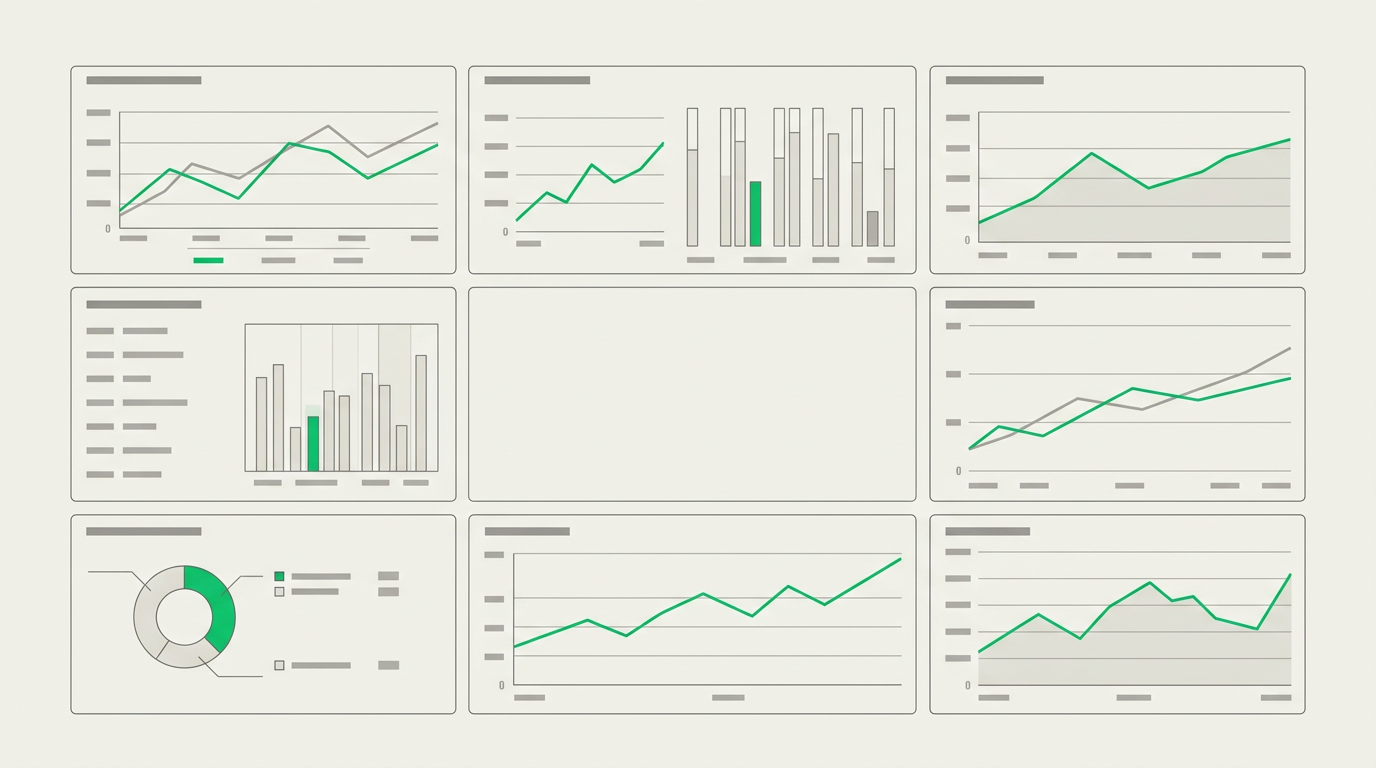
The Morbi bridge collapse in Gujarat in October 2022, which resulted in over 130 fatalities, underscores the critical need for robust infrastructure safety monitoring systems. Across India, aging infrastructure and increasing loads demand proactive strategies to ensure public safety and prevent such tragedies. Effective infrastructure safety monitoring is no longer optional but a necessity for responsible asset management.
Key Takeaways
- Proactive Prevention: Infrastructure safety monitoring enables early detection of structural issues, preventing catastrophic failures.
- Data-Driven Decisions: Real-time data from SHM systems supports informed maintenance and rehabilitation strategies.
- Enhanced Safety: Continuous monitoring ensures the safety of the public and reduces the risk of accidents.
- Cost Optimization: Implementing SHM can lead to significant cost savings by optimizing maintenance schedules and extending the lifespan of infrastructure.
What is Infrastructure Safety Monitoring?
Infrastructure safety monitoring is the continuous or periodic assessment of the structural health of infrastructure assets using various sensors and data analysis techniques. This process helps to detect early signs of damage or deterioration, enabling timely interventions and preventing potential failures. Effective infrastructure safety monitoring is crucial for maintaining the integrity and safety of critical infrastructure.
The Role of Structural Health Monitoring (SHM) in Infrastructure Failure Prevention
Structural Health Monitoring (SHM) plays a vital role in infrastructure failure prevention by providing real-time data on the condition of structures. SHM systems employ sensors to measure parameters such as strain, displacement, vibration, and corrosion. This data is then analyzed to identify anomalies and predict potential failures, allowing for proactive maintenance and rehabilitation.
For instance, at the MIT-WPU Tunnel Health Monitoring & Digital Twin Excellence Centre, advanced SHM techniques are being developed and implemented to ensure the safety and longevity of tunnel infrastructure. This includes the use of digital twins for predictive maintenance and risk assessment.
Benefits of Implementing Infrastructure Safety Monitoring
Implementing infrastructure safety monitoring offers numerous benefits, including:
- Early Detection of Damage: SHM systems can detect subtle changes in structural behavior that may indicate early signs of damage or deterioration.
- Improved Safety: Continuous monitoring helps to ensure the safety of the public by identifying and addressing potential hazards before they lead to accidents.
- Optimized Maintenance: Data-driven insights from SHM systems enable optimized maintenance schedules, reducing the need for costly emergency repairs.
- Extended Lifespan: By addressing issues early, SHM can help to extend the lifespan of infrastructure assets, maximizing their return on investment.
- Risk Reduction: Proactive monitoring reduces the risk of catastrophic failures and associated financial and social costs.
Key Components of an Effective SHM System
An effective SHM system typically includes the following components:
- Sensors: A variety of sensors, such as strain gauges, accelerometers, displacement transducers, and corrosion sensors, are used to measure structural parameters.
- Data Acquisition System (DAQ): The DAQ collects data from the sensors and transmits it to a central processing unit. Geolook offers industrial-grade DAQ systems for reliable data collection in harsh environments.
- Data Transmission: Data can be transmitted wirelessly or via wired connections to a central server for analysis.
- Data Analysis Software: Software algorithms are used to analyze the data, identify anomalies, and predict potential failures.
- Alerting System: An alerting system notifies stakeholders when critical thresholds are exceeded, allowing for timely intervention.
Case Study: Bridge Health Monitoring with Digital Twins
The RITES 3D Digital Twin & VR Visualization Platform for Bridge Health Monitoring System exemplifies the use of advanced technology for infrastructure safety monitoring. By creating a digital twin of a bridge, engineers can simulate various scenarios and assess the impact of different loads and environmental conditions. This allows for proactive identification of potential issues and optimized maintenance planning. The platform also incorporates VR visualization for immersive training and improved understanding of structural behavior.
Infrastructure Safety Monitoring in Tunnels
Tunnel infrastructure presents unique challenges for safety monitoring due to its underground environment and complex structural behavior. SHM systems for tunnels typically include sensors to measure convergence, stress, and groundwater pressure. The Ramban-Banihal NH-44 tunnels in J&K utilize real-time SHM to monitor tunnel health during and after construction, ensuring stability and preventing collapses. These systems are particularly crucial in NATM (New Austrian Tunneling Method) tunnels where ground support is critical. Review meetings with NHAI Regional Office ensure compliance and effective monitoring.
Comparison of Traditional vs. SHM-Based Infrastructure Monitoring
| Feature | Traditional Monitoring | SHM-Based Monitoring |
|---|---|---|
| Data Collection | Manual inspections, visual assessments | Automated sensors, continuous data collection |
| Data Analysis | Subjective, based on experience | Objective, data-driven analysis |
| Frequency | Periodic, infrequent | Continuous, real-time |
| Cost | Lower initial cost | Higher initial investment, lower long-term costs |
| Effectiveness | Limited detection of early damage | Early detection, proactive maintenance |
| Safety | Higher risk of overlooking critical issues | Improved safety due to continuous monitoring |
| Decision Making | Reactive, based on observed damage | Proactive, data-driven decisions |
The Future of Infrastructure Safety Monitoring
The future of infrastructure safety monitoring lies in the integration of advanced technologies such as artificial intelligence (AI), machine learning (ML), and the Internet of Things (IoT). AI and ML algorithms can be used to analyze vast amounts of data from SHM systems and identify patterns that may not be apparent to human analysts. IoT devices can enable seamless data collection and transmission, improving the efficiency and effectiveness of monitoring efforts. Geolook's SHM software is designed to integrate these technologies, providing a comprehensive solution for infrastructure safety monitoring.
Calculate SHM ROI
Want to learn more about how infrastructure safety monitoring can benefit your organization? Contact us today to discuss your specific needs and explore our range of SHM solutions. Download our comprehensive guide on infrastructure failure prevention.
Frequently Asked Questions
Q: What is infrastructure safety monitoring?
A: Infrastructure safety monitoring is the continuous or periodic assessment of the structural health of infrastructure assets using various sensors and data analysis techniques to detect early signs of damage or deterioration. This enables timely interventions and prevents potential failures, ensuring the integrity and safety of critical infrastructure.
Q: How does structural health monitoring (SHM) contribute to infrastructure failure prevention?
A: Structural health monitoring (SHM) contributes to infrastructure failure prevention by providing real-time data on the condition of structures through sensors that measure parameters like strain and vibration. Analyzing this data helps identify anomalies and predict potential failures, enabling proactive maintenance and rehabilitation efforts.
Q: What are the key components of an effective SHM system?
A: The key components of an effective SHM system include sensors for measuring structural parameters, a data acquisition system (DAQ) for collecting sensor data, a data transmission system for transferring data, data analysis software for identifying anomalies, and an alerting system for notifying stakeholders of critical issues.
Q: What types of infrastructure can benefit from safety monitoring?
A: Various types of infrastructure can benefit from safety monitoring, including bridges, tunnels, dams, buildings, and highways. Any structure subject to stress, environmental factors, or aging can benefit from continuous monitoring to ensure its safety and longevity, preventing potential failures and ensuring public safety.
Q: How can I calculate the return on investment (ROI) of implementing an SHM system?
A: Calculating the ROI of SHM involves assessing the initial investment in sensors, data acquisition, and software, then comparing it to the potential cost savings from preventing failures, optimizing maintenance, and extending the lifespan of the infrastructure. Contact Geolook to explore SHM solutions and calculate the potential ROI for your specific infrastructure needs.
Project inquiry
Talk to a Geolook™ specialist
Share your monitoring requirement and our team will help identify the right next step.
By submitting, you agree that Geolook™ may contact you about this inquiry. Your details are not added to a marketing list.