Dam Instrumentation India: Guide to Sensors and Systems
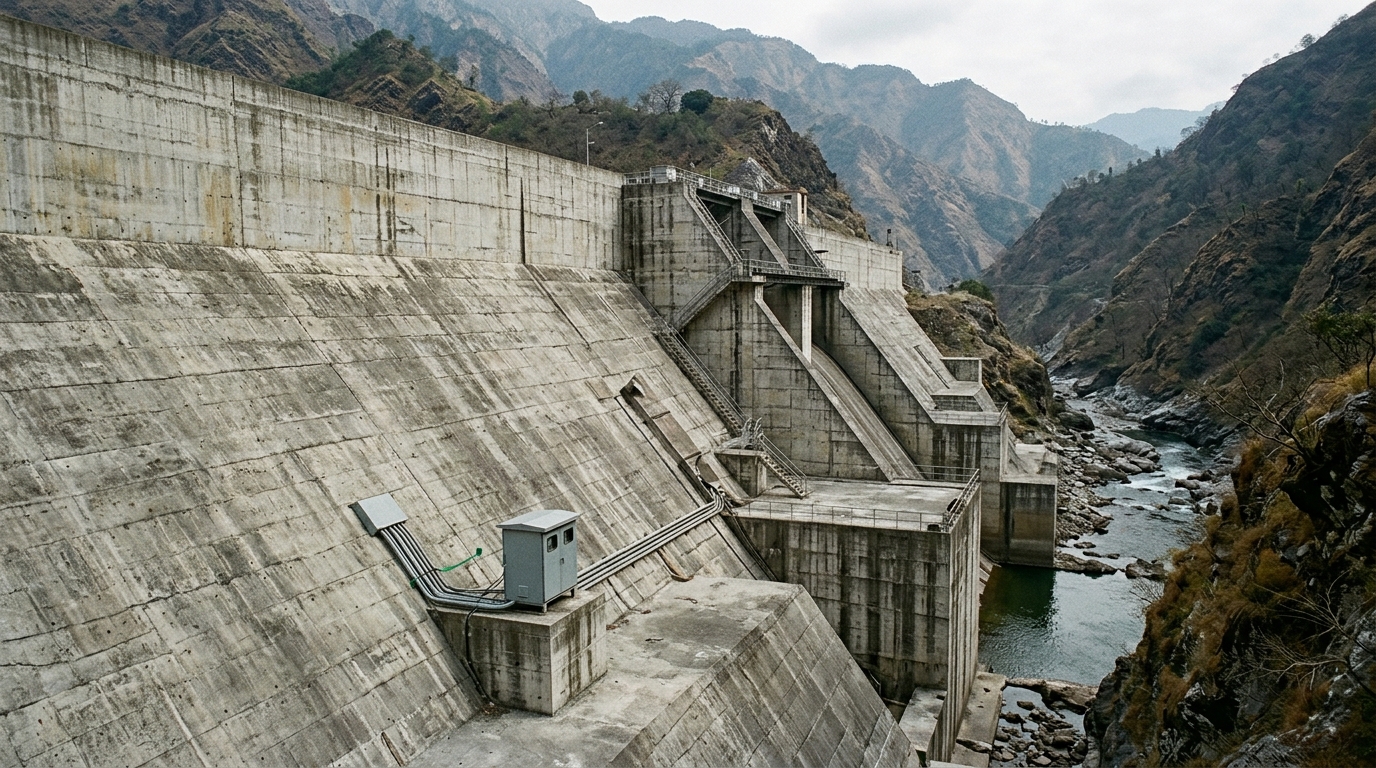
The failure of the Machchhu-2 dam in Gujarat in 1979 resulted in an estimated 2,500 to 10,000 deaths, underscoring the critical importance of robust dam safety measures. Effective dam instrumentation India is paramount for ensuring the structural integrity and operational safety of these vital infrastructures. This guide provides an overview of essential sensors, systems, and considerations for selecting suppliers for dam instrumentation India.
Key Takeaways
- Effective dam instrumentation is crucial for ensuring the structural integrity and operational safety of dams.
- Piezometers are essential for monitoring pore water pressure, a key indicator of dam stability.
- Data loggers play a vital role in collecting and transmitting sensor data for real-time monitoring and analysis.
- Selecting the right supplier involves considering factors such as experience, technical expertise, and adherence to relevant standards.
- Regular inspection and maintenance of dam instrumentation systems are necessary to ensure their continued accuracy and reliability.
Understanding Dam Instrumentation
Dam instrumentation refers to the suite of sensors and systems installed in and around a dam to monitor its structural behavior and environmental conditions. These instruments provide critical data for assessing dam safety, detecting potential problems, and informing operational decisions. You can explore different types of vibrating wire piezometer working principle for dam monitoring.
Essential Dam Sensors in India
Selecting the appropriate dam sensors India is crucial for effective monitoring. Here are some of the most commonly used sensors:
- Piezometers: Measure pore water pressure within the dam and its foundation. Vital for assessing seepage and stability.
- Strain Gauges: Monitor strain in concrete or earthfill dams, indicating stress levels and potential deformation.
- Accelerometers: Detect vibrations caused by seismic activity or other dynamic loads.
- Displacement Transducers: Measure movement and deformation of the dam structure.
- Water Level Sensors: Monitor water levels in the reservoir and downstream, essential for flood control and operational management.
The Role of Piezometers in Dam Safety
A piezometer dam installation is a critical component of dam safety monitoring, measuring pore water pressure within the dam structure and foundation. Monitoring pore water pressure is essential for assessing the stability of earthfill and concrete dams, as excessive pressure can lead to seepage, deformation, and ultimately, failure. IS 7894 provides guidelines for selecting and installing piezometers in embankment dams.
Dam Data Loggers and Monitoring Systems
A dam data logger is an electronic device that automatically records data from sensors over time. These loggers are essential for continuous monitoring of dam performance, allowing engineers to track trends, detect anomalies, and respond to potential problems in a timely manner. Data loggers should be rugged, reliable, and capable of operating in harsh environmental conditions. Wireless data transmission capabilities are also desirable for remote monitoring.
Selecting a Dam Instrumentation Supplier
Choosing the right supplier for dam instrumentation India is a critical decision. Consider the following factors:
- Experience: Look for a supplier with a proven track record in dam instrumentation.
- Technical Expertise: Ensure the supplier has the technical expertise to design, install, and maintain the instrumentation system.
- Product Quality: Choose a supplier that offers high-quality, reliable sensors and systems.
- Service and Support: Select a supplier that provides excellent service and support, including training, maintenance, and troubleshooting.
- Compliance: Verify that the supplier's products and services comply with relevant Indian Standards and international guidelines.
Comparison of Dam Instrumentation Methods
Different methods exist for dam instrumentation, each with its own advantages and disadvantages. The table below provides a comparison of common approaches:
| Method | Sensors Used | Data Acquisition | Advantages | Disadvantages |
|---|---|---|---|---|
| Manual Monitoring | Standpipe piezometers, settlement markers | Manual readings | Low cost, simple to implement | Labor-intensive, infrequent readings, potential for human error |
| Automated Monitoring | Vibrating wire piezometers, strain gauges, accelerometers | Data loggers, wireless transmission | Continuous monitoring, real-time data, remote access | Higher initial cost, requires power supply, potential for sensor drift |
| Geodetic Monitoring | Total stations, GPS | Survey measurements | Accurate displacement measurements, can cover large areas | Requires line of sight, affected by weather conditions, infrequent measurements |
| Satellite Monitoring | InSAR | Satellite imagery | Wide-area coverage, remote sensing | Lower accuracy, affected by vegetation and atmospheric conditions |
| Visual Inspection | N/A | Visual observation | Cost-effective, identifies surface defects | Subjective, limited to surface features, cannot detect internal problems |
Bill of Quantities (BoQ) Considerations
When preparing a Bill of Quantities (BoQ) for dam instrumentation, consider the following:
- Sensor Specifications: Clearly define the type, range, accuracy, and environmental requirements for each sensor.
- Installation Requirements: Include detailed specifications for sensor installation, including drilling, grouting, and cable routing.
- Data Acquisition System: Specify the data logger type, communication protocols, power supply, and data storage capacity.
- Software and Data Management: Include requirements for data processing, analysis, visualization, and reporting software.
- Training and Support: Specify the level of training and support required from the supplier.
Maintenance and Calibration
Regular maintenance and calibration are essential for ensuring the accuracy and reliability of dam instrumentation systems. Follow the manufacturer's recommendations for maintenance schedules and calibration procedures. Key maintenance tasks include:
- Sensor Inspection: Regularly inspect sensors for damage, corrosion, and proper functioning.
- Cable Inspection: Check cables for damage, wear, and proper connections.
- Data Logger Maintenance: Ensure data loggers are functioning properly, with adequate power supply and data storage capacity.
- Calibration: Calibrate sensors regularly to ensure accuracy.
Learn more about dam safety monitoring and best practices.
Request dam BoQ
Contact us today for a customized dam instrumentation BoQ tailored to your project requirements. Our team of experts can help you select the right sensors, systems, and services to ensure the safety and performance of your dam. Get in touch with our team.
Frequently Asked Questions
Q: What is dam instrumentation?
A: Dam instrumentation refers to the collection of sensors and systems installed in and around a dam to monitor its structural behavior, geotechnical parameters, and environmental conditions. These instruments provide essential data for assessing dam safety, detecting potential problems, and informing operational decisions, as mandated by dam safety regulations.
Q: Why is dam instrumentation important?
A: Dam instrumentation is crucial for ensuring the safety and longevity of dams. By continuously monitoring key parameters such as pore water pressure, strain, and displacement, engineers can detect early signs of distress and take corrective actions to prevent failures, protecting downstream communities and infrastructure.
Q: What types of sensors are used in dam instrumentation?
A: Common sensors used in dam instrumentation include piezometers (to measure pore water pressure), strain gauges (to measure strain), accelerometers (to measure vibrations), displacement transducers (to measure movement), and water level sensors (to monitor water levels). The selection depends on the dam type, geological conditions, and monitoring objectives.
Q: How is data collected and analyzed in dam instrumentation?
A: Data from dam instrumentation sensors is typically collected using data loggers, which automatically record readings over time. This data is then transmitted to a central monitoring system for processing, analysis, and visualization. Engineers use this information to track trends, detect anomalies, and assess the overall health of the dam.
Q: What are the key considerations for selecting a dam instrumentation supplier?
A: When selecting a dam instrumentation supplier, consider their experience, technical expertise, product quality, service and support, and compliance with relevant standards. It is essential to choose a supplier with a proven track record in dam instrumentation and the ability to provide comprehensive solutions tailored to your specific needs. You can also explore energy solutions for dam monitoring.
Project inquiry
Talk to a Geolook™ specialist
Share your monitoring requirement and our team will help identify the right next step.
By submitting, you agree that Geolook™ may contact you about this inquiry. Your details are not added to a marketing list.